

Accelerating space exploration with the HPE Spaceborne Computer
On January 30th, 2024, the third iteration of HPE Spaceborne Computer climbs to the International Space Station aboard Northrup Grumman's 20th resupply mission, the SS Patricia Robinson. Named in honor and celebration of the life of the NASA astronaut, the mission objective is to build on previous award-winning deployments and provide the international scientific community access to an expanded scope of space-based edge computing, AI, and machine learning capabilities.
Spaceborne's journey
HPE and NASA collaborated to test if affordable, off the shelf servers could withstand the harsh conditions of space and provide reliable computing aboard the International Space Station (ISS).
- 2024
- 2023
- 2022
- 2021
- 2020
- 2019
- 2018
- 2017
The launch of our third mission to the International Space Station on January 30th.
HPE Spaceborne awarded the NASA Team flight award for AI-based EVA Glove analysis, the JPL Group Achievement Award, and a US Patent.
24 research experiments completed on station accelerating time-to-insight from months to minutes with use cases including healthcare, image processing, natural disaster recovery, 3D printing, and 5G.
Spaceborne Computer-2 launched into space.
Next version of HPE Spaceborne Computer handed over to NASA.
HPE Spaceborne Computer returns to Earth.
HPE Spaceborne Computer open for supercomputing use on the ISS.
HPE Spaceborne Computer successfully reaches and powers up in space.
Solution components
The HPE Spaceborne Computer-2 will simulate computational loads during actual space travel via data intensive applications.
The following components serve as the foundation to simulate these loads.
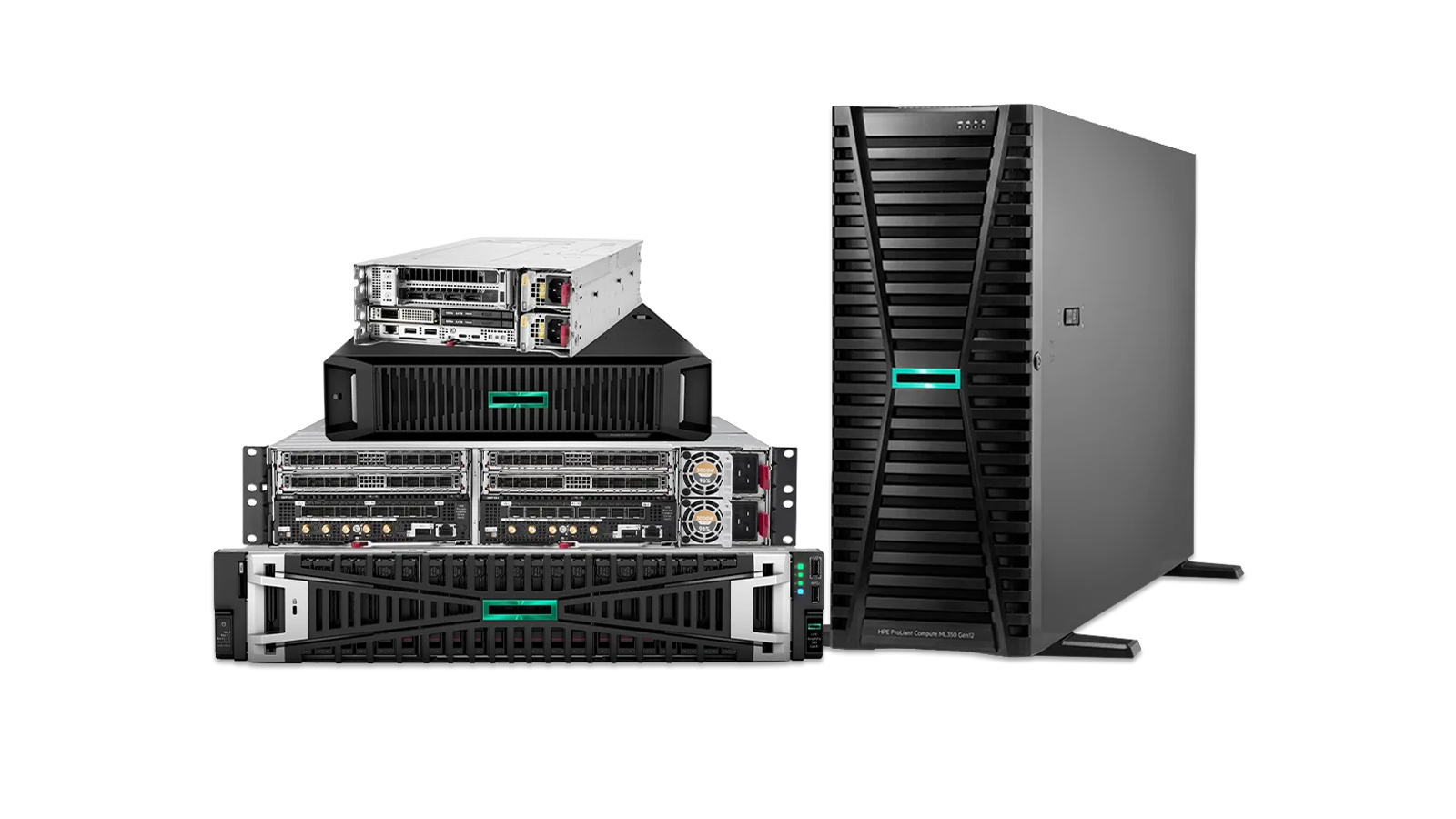
HPE Edgeline Converged System
Delivering enterprise IT capabilities in a ruggedized system designed for the harsh operating environments found at the edge.

HPE ProLiant system
Deliver more consistent security with next-gen physical, virtual, and containerized firewalls managed in a unified experience.

HPE HPC solutions
Continuously collaborating, building, validating, and delivering secure, innovative, production-level HPC solutions with leading-edge technologies and services.
Past experiments

For 20 years, students have designed, built, launched, and operated their own experiments on the ISS doing such things as controlling robots, analyzing space imagery, communicating via radio from the ground to space and back, and conducting cutting-edge genetic research.


